FACTORS TAKING IN WEED IS IN TRUTH TERRIFIC FOR YOUR WELLNESS
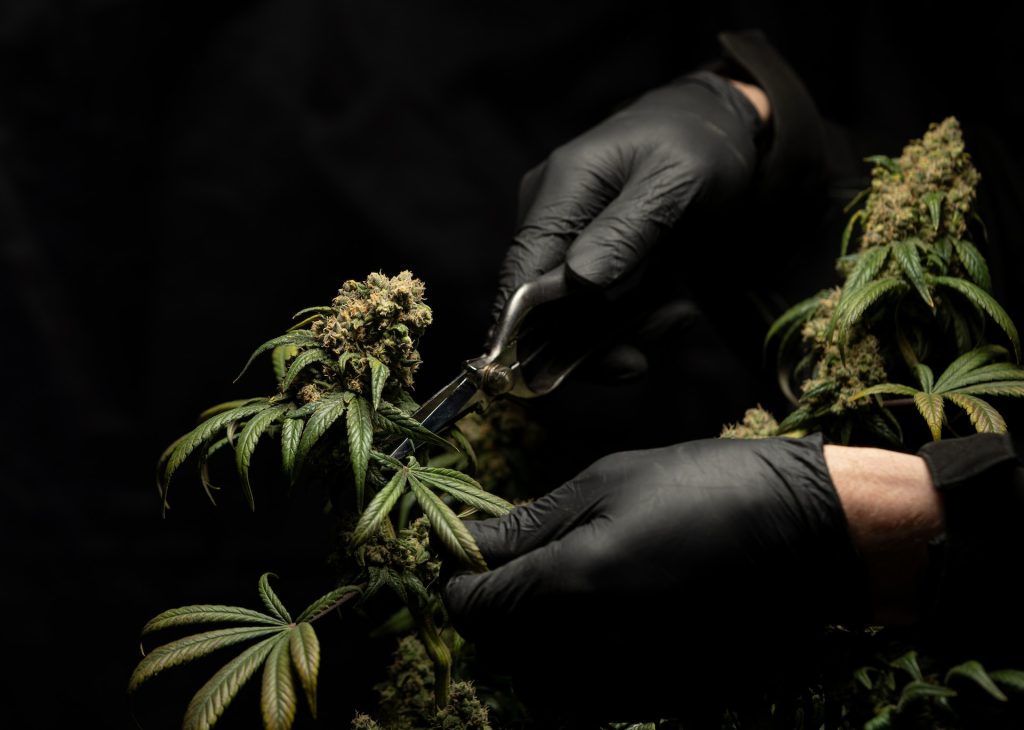
Marijuana Does Not Called For To Acquire You Stoned
Most notably, food preparation with cannabis does not constantly indicate you have to obtain stoned. The crucial psychoactive chemical in marijuana is THC, a cannabinoid. Nonetheless, when these fallen leaves are left raw and are un-aged, the cannabinoid located in them is THCA, which isn’t psychedelic by any means. THCA simply becomes THC– right stuff that acquires you high– after it’s aged or, most of efficiently, based on warmth. It’s a treatment called decarboxylation.
Great deals of individuals incorporate raw marijuana and hemp plants right into their diet plan program particularly consequently. They want to gain from all the legitimate health advantages these plants need to provide without obtaining high. Ain’t nothin’ wrong keeping that!
Cannabis Leaves Are High in Vitamins, Minerals and Fiber
When checked out entirely from the point of view of biochemical makeup, raw marijuana fallen leaves are exceptional sources of certain vitamins, minerals and fiber. If that appears spectacular, bear in mind that although they get you stoned, they are still environmentally friendly leafy plants.
Even more specifically, marijuana is exceptionally high in fiber. So, if your diet regimen is lacking, possibly the treatment.
It’s High in Anti-oxidants
Anti-oxidants are essential to our bodies since they secure us from stress and stress and anxiety and stress and anxiety and different other damages, in addition to versus points like blood vessel condition and cancer cells. They’re likewise our body’s only defense versus “completely complimentary radicals,” which are very responsive particles that can destroy our bodies with time.
Cannabis, whether raw or prepared, is chockfull of antioxidants that our bodies require. So, whether you’re infusing weed right into brownies or juicing raw dropped leaves– you’re going to get right stuff you require.
It’s a Healthy Different to Cigarette Smoking
Individuals like smoking weed, nonetheless the fact is smoking anything isn’t outstanding. Breathing in cozy smoke creates swelling of the breathing system, and it has actually been validated that because of the reality that individuals that smoke marijuana inhale a great deal extra deeply right into their lungs (and hold the smoke there longer), they end up with 4 times as much tar than those that smoke cigarettes. And without a doubt, prior to you ask, melting cannabis leaves will absolutely produce tar.
Utilizing marijuana in your cooking, nevertheless, has definitely no of the identical disadvantages as cigarette smoking and presents absolutely no hazardous health hazards right into the lungs. Actually, taking in cooked marijuana has an entirely numerous psychedelic feedback in your body than smoking it. When you eat marijuana by mouth, it is first metabolized by your liver, which changes it right into a totally different sort of THC than you acquire if you simply smoke it. This THC, 11-OH-THC, is extra potent than normal THC (Delta-9THC), and produces an added extreme and longer-lasting high.
It’s Outstanding for Pain Alleviation
As talked about formerly, individuals that consume cannabis normally experience a great deal much more severe and much longer sustaining full-body high than individuals who smoke it, that experience a high that normally lasts one to 2 hours.
So, if you’re smoking scientific cannabis for pain alleviation, food preparation with it will not just aid locate and decrease the impacts of the pain you’re experiencing, nonetheless it’ll likewise offer a lot more reduction and for a lot longer time period.
Frequently, a high from dental usage can last anywhere from 4 to 6 hours.
It Decreases Queasiness or vomiting
Among the key advertising and marketing points to people interested relating to scientific cannabis is that it is medically confirmed to lowered nausea or regurgitating and aid trigger cravings. In fact, there are great deals of investigates on marijuana’s effectiveness in treating nausea or vomiting or vomiting and throwing up in individuals and pets. One research study, from researchers at the University of Guelph (Ontario, Canada), discovered that the modification of the endocannabinoid system is really reliable in controling a sick stomach and vomitting, no matter whether they operate to natural excitements or toxins like radiation treatment.
The only difficulty with edibles is that, since they can take 90 minutes prior to they begin having an influence, they aren’t specifically beneficial for unexpected and uncertain spells of it. Nevertheless, if you recognize when to expect them– for factors like menstruation pains, after radiation treatment, and so on– consuming cannabis is an outstanding techniques to reduce a sick stomach, stomach pains and much more.
It Can Aid to deal with Cancer Cells
After years of false information, the National Cancer cells Institute finally updated its web site a number of years ago to show the truth that marijuana isn’t merely reliable in aiding get rid of the indications that happen from cancer cells therapy– nausea, anorexia nervosa, severe pain, pain– yet that it can really be utilized to eliminate cancer cells.
No, I’m not joking. In medical studies on living family pets, scientists situated that the cannabinoids in THC had the capability to separate and really remove cancer cells.
An unidentified fact, though, is that you can not actually get these gain from smoking thinking about that it’s damn near difficult smoke an expert degree of the called for cannabinoids. However, when squared away into really focused oils, you can acquire the suggested dosage in just a decrease or perhaps a lot more. In contrast to eat the oil by itself– which admittedly tastes instead awful– individuals will regularly consume them with foods; as an example cookies, brownies, veggies and salute.